


The right number of people,
in the right room
Booking, waitlists, caps and cancellation windows. The class fills to what the floor can take, and the coach knows who is coming before they walk in.

Members book from the phone in their hand
No app to install. The timetable opens from a link, shows what is on, what is full and what they are already in, and books in one tap.
Cancel inside the window and the place goes back on sale on its own. Cancel outside it and whatever rule you set applies — a charge, a lost credit, or nothing.

Twelve places means twelve people
The cap is enforced at the moment the booking is written, not checked a moment beforehand. Two people tapping the last place at the same second is the normal case in a class that fills, and only one of them gets it.
When it is full the next member joins the waitlist and is offered the place the instant somebody drops — while there is still time for them to get there.

A coach should walk onto the mat knowing who is in front of them. Not counting heads and hoping the list was right.
A branded member app is usually an upsell. This is just included.
Across this market a member-facing app is commonly a paid add-on — a monthly charge on top of your plan, sometimes a setup fee with it, and an app-store listing to maintain.
Yours is a web app and it is part of the product, including on the free plan. Members open it from a link and add it to their home screen if they want it there. Nothing to download, nothing to update, and no member lost at the point where an app store asks them for a password they do not remember.
It opens instantly, there is never an update to install, and it works the same on a five-year-old Android as on a new iPhone. Members book a class, open the door and pay a bill without ever going near an app store.

PT sessions on the same timetable
Personal training slots sit alongside the classes instead of in a separate diary. One place to look for whether the floor is free at seven, whoever is using it.
Sessions can be sold as blocks and drawn down as they get used, so counting them is the system's job rather than something two people have to agree on later.

A tablet by the door does the register
Members check into the class themselves as they arrive. The attendance figure is then a record of who trained, not a coach's recollection at the end of a busy hour.
That matters more than it sounds. Attendance is how you find out a class is dying six weeks before the revenue tells you.

Open floor and recovery, booked the same way
A recovery corner, a sauna slot, a rig that takes four people at a time. Anything with a capacity and a clock goes on the timetable and books like a class.
Worth most at the quiet hours: something bookable at two in the afternoon is the difference between an empty floor and a used one.
Whatever it is you actually run
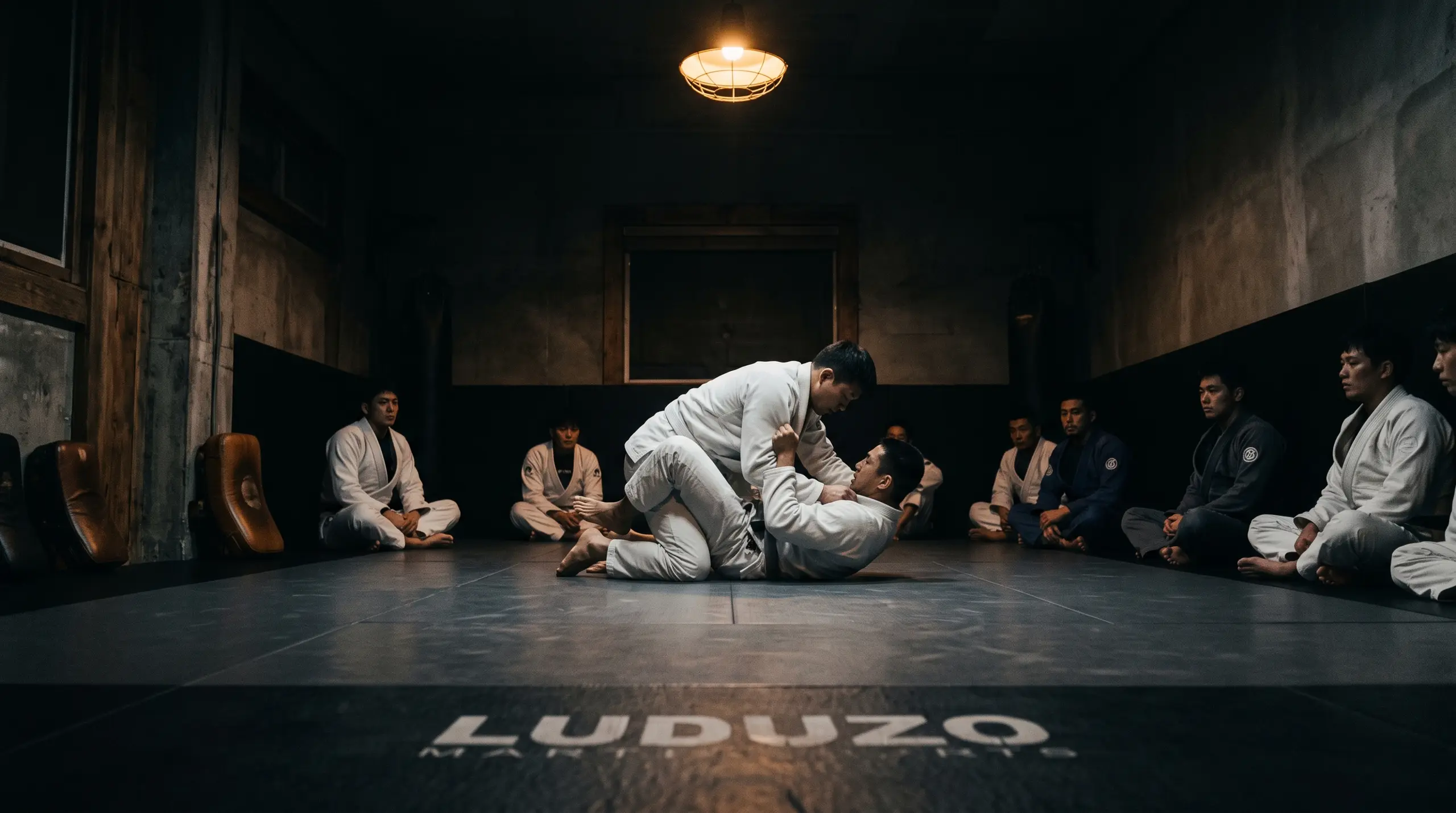
The booking rules that suit a grappling class are not the ones that suit a spin studio. The settings change; the system is the same.







Fill the classes, and know that you did
Free while your gym has fewer than 100 active members — every feature, no card, no expiry.